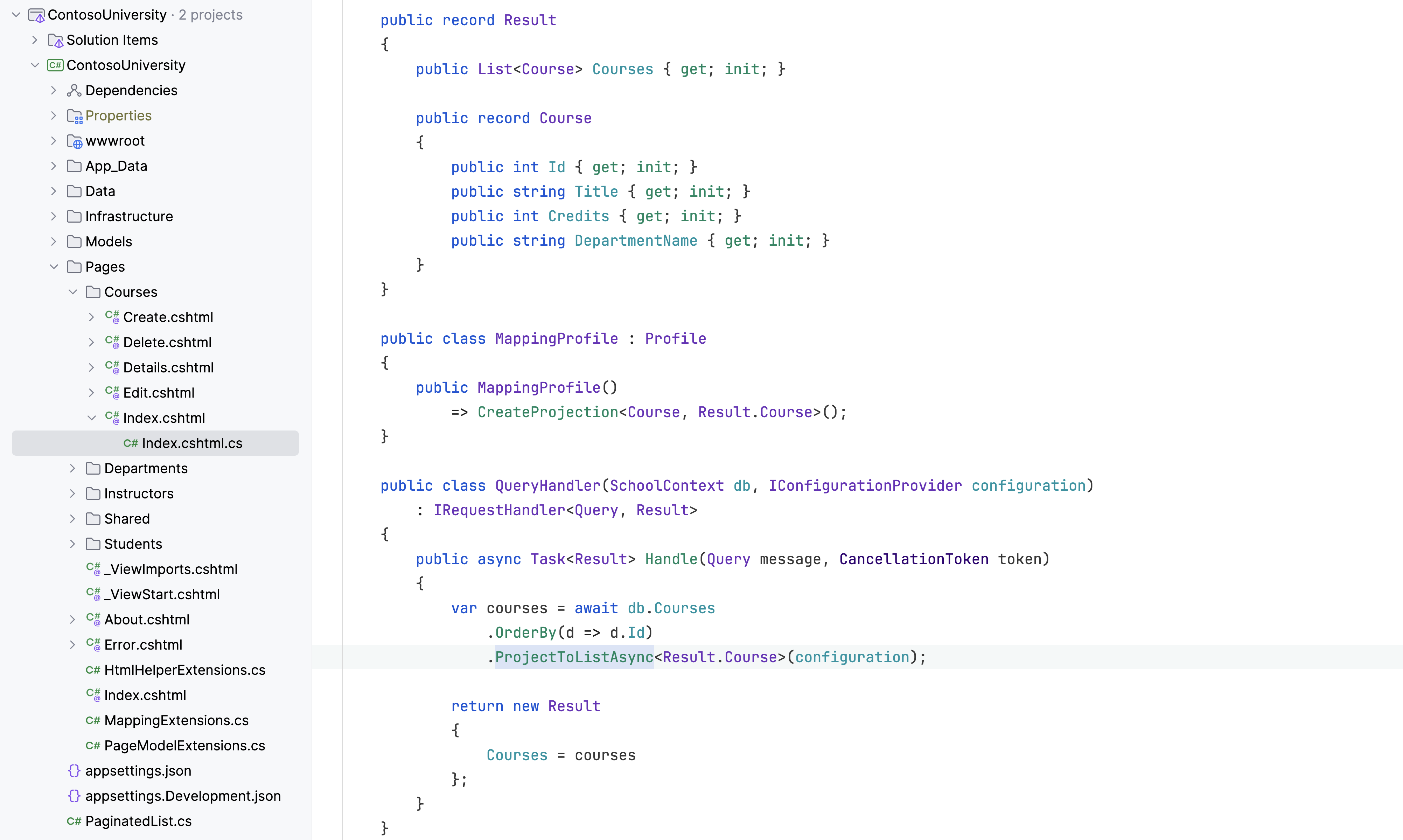
Enforce naming conventions and optimize complex object and LINQ mapping to simple DTOs.
Hundreds of millions of downloads. One simple idea.
Supports .NET 8.0+
and .NET Framework 4.6.2+
After logging in, your dashboard will be empty. You must connect XO to your pools: Go to > Servers .
Navigate to the menu, select Users , and locate the admin@admin.net account. Update the password to a strong, unique string. 2. Create Individual User Accounts
Ensure the xo-server service is running. You can check this by SSHing into the appliance and running: systemctl status xo-server
If you need to access the underlying Debian-based operating system via SSH or the console (for example, to troubleshoot network settings), the default system credentials are: root Password: xoa Critical First Steps After Logging In
If admin@admin.net does not work, it is likely due to one of two reasons:
For a fresh installation of the Xen Orchestra Appliance, the default credentials are: admin@admin.net Password: admin
Add the IP address/hostname of your or XenServer host.
Purchase through one of our trusted reseller partners.






After logging in, your dashboard will be empty. You must connect XO to your pools: Go to > Servers .
Navigate to the menu, select Users , and locate the admin@admin.net account. Update the password to a strong, unique string. 2. Create Individual User Accounts
Ensure the xo-server service is running. You can check this by SSHing into the appliance and running: systemctl status xo-server
If you need to access the underlying Debian-based operating system via SSH or the console (for example, to troubleshoot network settings), the default system credentials are: root Password: xoa Critical First Steps After Logging In
If admin@admin.net does not work, it is likely due to one of two reasons:
For a fresh installation of the Xen Orchestra Appliance, the default credentials are: admin@admin.net Password: admin
Add the IP address/hostname of your or XenServer host.