1998 Hindu Calendar

A key feature of 1998 was the transition of the Samvatsara (the name of the year). Until mid-April 1998, the year was governed by (meaning "conflict" or "opposition"). Following the New Year in April, the cycle moved into Vikari (meaning "changeable" or "variable"). In Vedic astrology, the name of the year is believed to influence the collective mood of society and the nature of rainfall and harvests.

In 1998, as the world witnessed the dawn of the digital age and the throes of the Monica Lewinsky scandal, millions of Hindus across the globe ordered their lives not by the Gregorian date of January 1st, but by the intricate, celestial dance of the Panchanga —the Hindu calendar. The year 1998 corresponds to (from late March 1998) and Vikram Samvat 2055 (from late March 1999), as well as the Shaka Samvat 1920 (starting March 29, 1998). 1998 hindu calendar

1919–1920 (The official Indian national calendar) Kali Yuga: 5098–5099 1998 Major Festival Dates A key feature of 1998 was the transition

In the Gregorian year 1998, the Hindu calendar spanned parts of and Shaka Samvat 1919–1920 . As a lunisolar system, its months followed the moon's phases, resulting in major festivals falling on shifting dates compared to the standard solar calendar. Significant Years in 1998 The traditional eras active during 1998 include: Vikram Samvat: 2054–2055 In Vedic astrology, the name of the year

Occupied the first portion of the year (until the end of March).


Commentary volume

Commentary volume

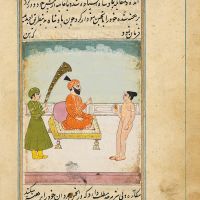
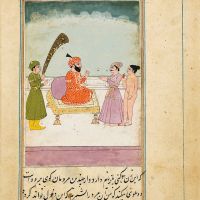
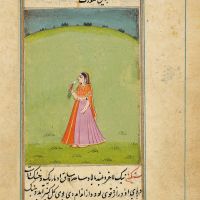
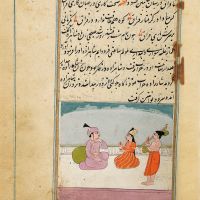
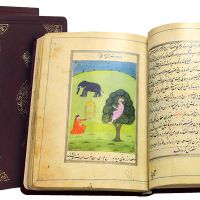
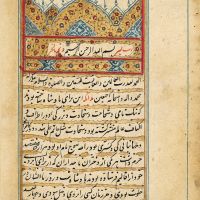
Lazzat al-nisâ (The pleasure of women)

Bibliothèque nationale de France


CONTENTS
 
  • From the Editor to the Reader
 
  • Lazzat al-nisâ and Its Significance in the Erotic Literature of the Persianate World.
Hormoz Ebrahimnejad (University of Southampton)
 
  • Lazzat al-nisâ. Translation.
Willem Floor (Independent Scholar), Hasan Javadi (University of California, Berkeley) and Hormoz Ebrahimnejad (University of Southampton)


ISBN : 978-84-16509-20-1

Commentary volume available in English, French or Spanish.

Lazzat al-nisâ (The pleasure of women) Bibliothèque nationale de France


Descripcion

Description

Lazzat al-nisâ (The pleasure of women)

Bibliothèque nationale de France


In Muslim India numerous treatises were written on sexology. Many of them included prescriptions concerning problems dealing with virility or, more precisely, with masculine sexual arousal. The Sanskrit text which is considered the primary source for all Persian translations is known as the Koka Shastra (or Ratirahasya) —derived from its author’s name, Pandit Kokkoka—, a title that was later given to all treatises in the genre. The Koka Shastra by Kokkoka was probably not the only such text known to Muslim authors.

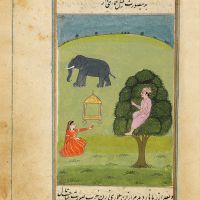
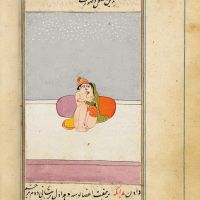
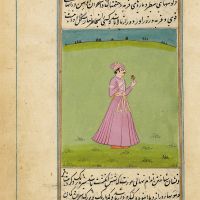
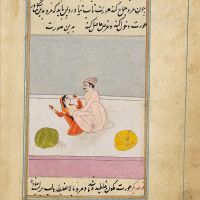
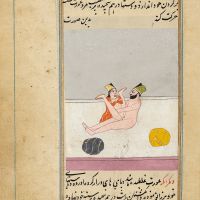
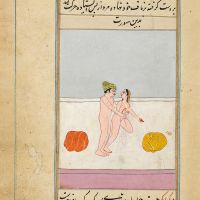
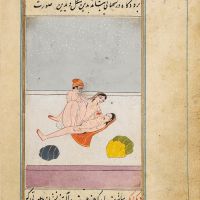
The Lazzat al-nisâ is a Persian translation of the Koka Shastra, which contains descriptions of the four different types of women and indicates the days and hours of the day in which each type is more prone to love. The author quotes all the different works he has consulted, which have not survived to this day.


A key feature of 1998 was the transition of the Samvatsara (the name of the year). Until mid-April 1998, the year was governed by (meaning "conflict" or "opposition"). Following the New Year in April, the cycle moved into Vikari (meaning "changeable" or "variable"). In Vedic astrology, the name of the year is believed to influence the collective mood of society and the nature of rainfall and harvests.

In 1998, as the world witnessed the dawn of the digital age and the throes of the Monica Lewinsky scandal, millions of Hindus across the globe ordered their lives not by the Gregorian date of January 1st, but by the intricate, celestial dance of the Panchanga —the Hindu calendar. The year 1998 corresponds to (from late March 1998) and Vikram Samvat 2055 (from late March 1999), as well as the Shaka Samvat 1920 (starting March 29, 1998).

1919–1920 (The official Indian national calendar) Kali Yuga: 5098–5099 1998 Major Festival Dates

In the Gregorian year 1998, the Hindu calendar spanned parts of and Shaka Samvat 1919–1920 . As a lunisolar system, its months followed the moon's phases, resulting in major festivals falling on shifting dates compared to the standard solar calendar. Significant Years in 1998 The traditional eras active during 1998 include: Vikram Samvat: 2054–2055

Occupied the first portion of the year (until the end of March).
Cookie preferences

We use our own and third-party cookies to improve our services by analyzing your browsing habits. For more information, you can read our cookie policy. You can accept all cookies, configure them, or reject their use by clicking one of the buttons below.