
The appeal of Slider.kz lay in its stark simplicity. While competitors like Limewire or BearShare required software downloads and risked malware, Slider.kz was browser-based.
Let me know I'll be glad to assist.
Unlike platforms like SoundCloud or Bandcamp, which host user-uploaded content, Slider.kz operated as a . It did not store music files on its own servers. Instead, it functioned much like Google or Bing, but specifically for audio files. slider.kz
The site didn't speed up. Instead, it transformed. The blue background turned black. The text turned amber. The "Download" button vanished. In its place, a single phrase appeared: The appeal of Slider
In conclusion, Slider.kz has had a significant impact on the Kazakhstani online community, providing a valuable platform for buying and selling goods, socializing, and accessing information. While there are potential drawbacks and challenges associated with the platform, its benefits cannot be overstated. As the Kazakhstani online community continues to grow and evolve, Slider.kz is likely to remain an important player, providing opportunities for economic growth, social interaction, and access to information. Unlike platforms like SoundCloud or Bandcamp, which host
The platform’s popularity stems from its position as a "fast music streaming site" that bypasses the friction of larger platforms. It is often grouped with other clean-interface engines like datmusic and MusicPleer, serving as a vital alternative for those who prefer direct search over curated playlists.
He had turned the entire 2.4-petabyte library into a peer-to-peer ghost. No files were hosted on the server anymore. He had mapped every single MP3 to a network of old user computers—the taxi driver’s laptop, the student’s phone, the grandmother’s dusty desktop. The Slider was no longer a warehouse. It was a compass.
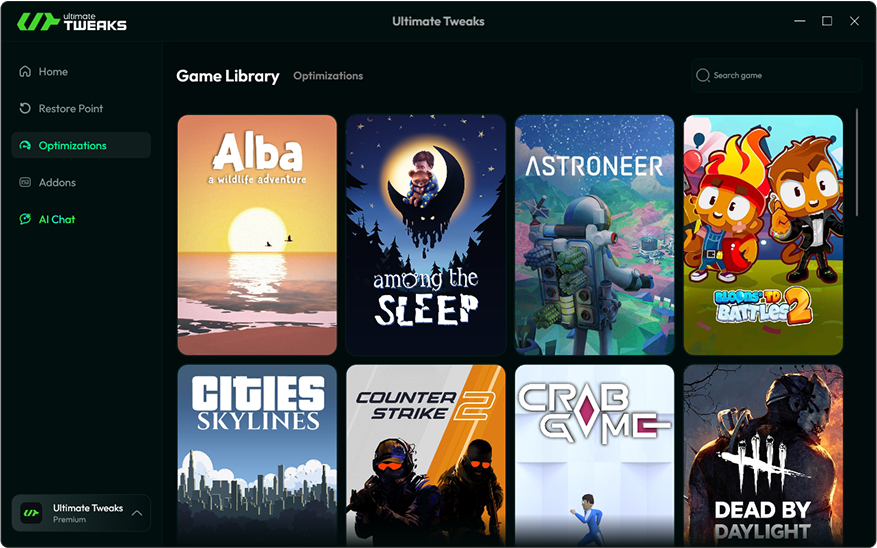
Explore our ever-expanding library of optimized titles—from the latest AAA releases to classic favorites. Every game benefits from tailored tweaks for maximum performance.
Supported Game libraries: