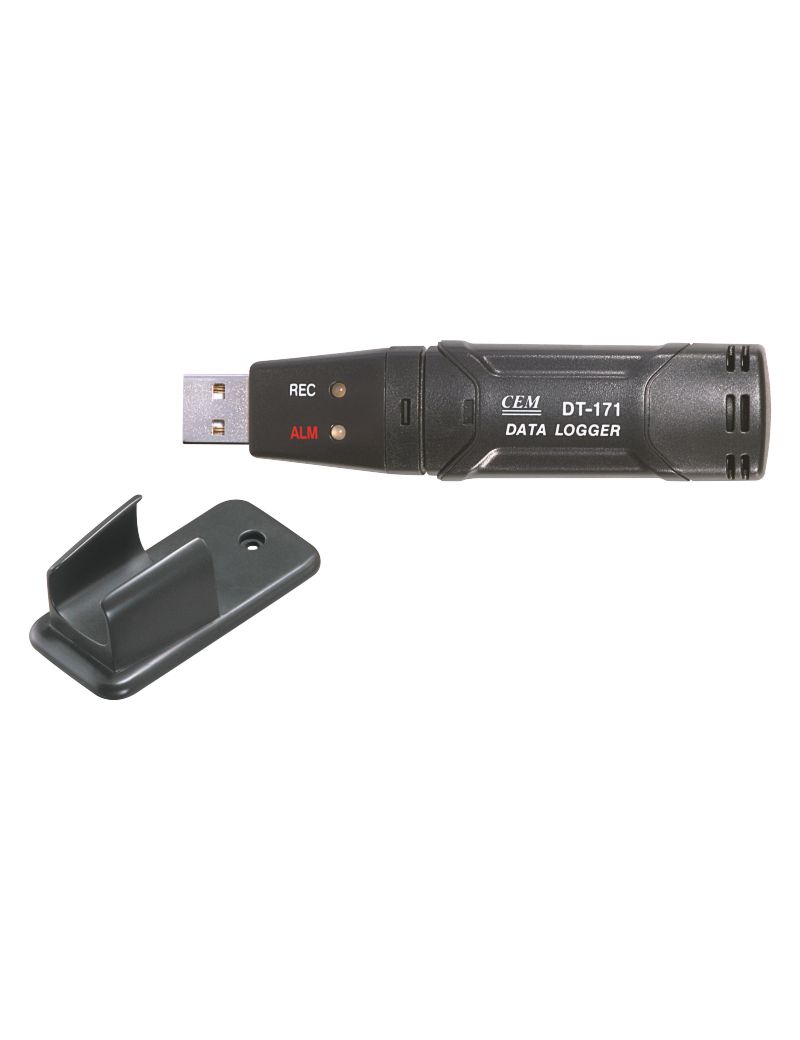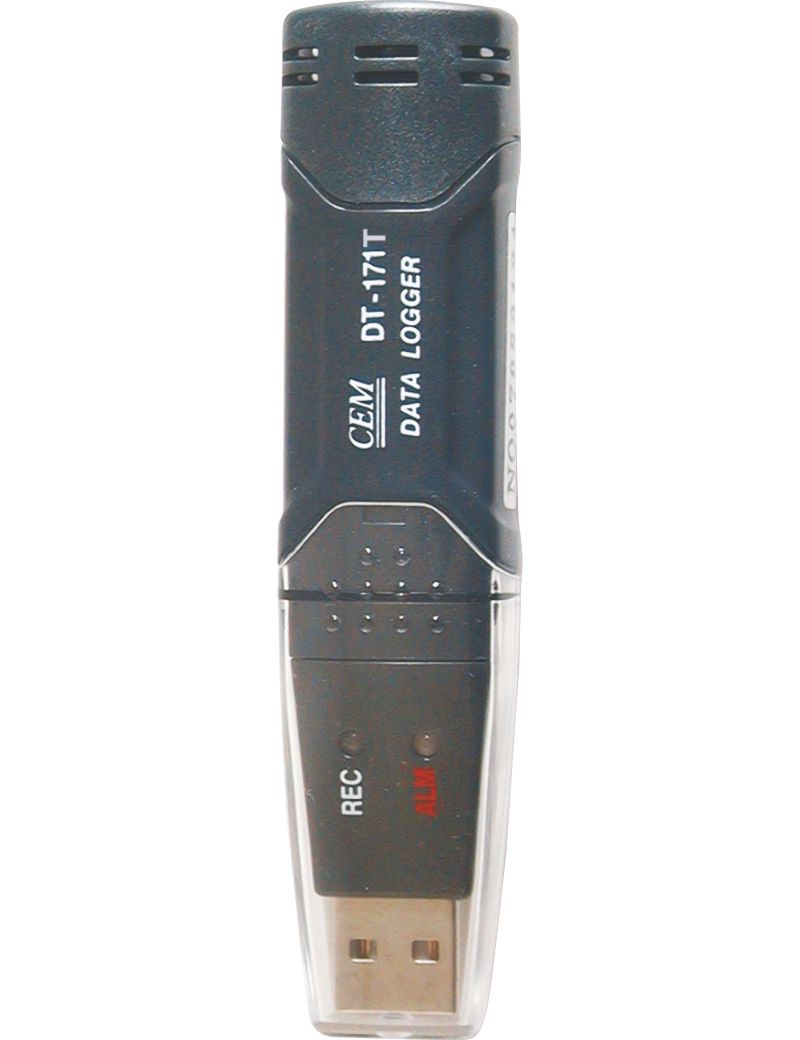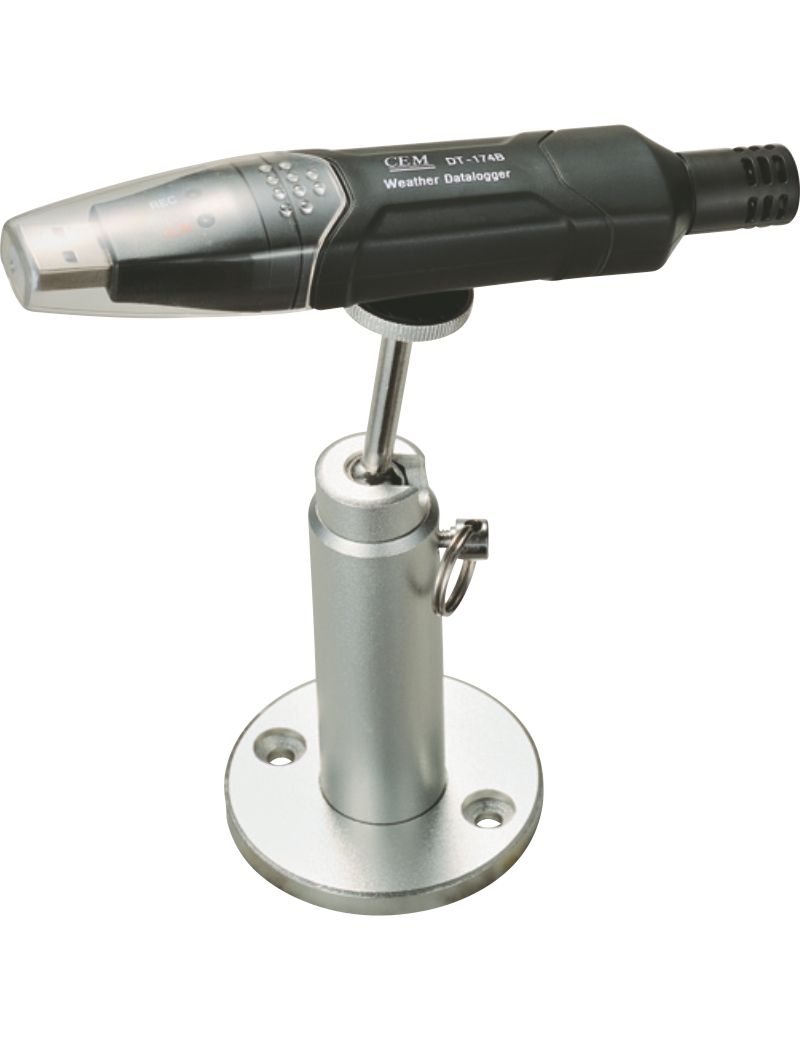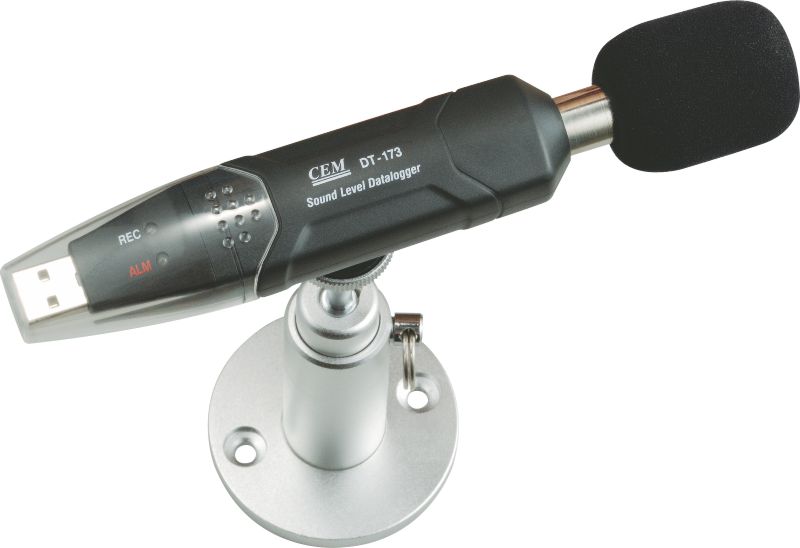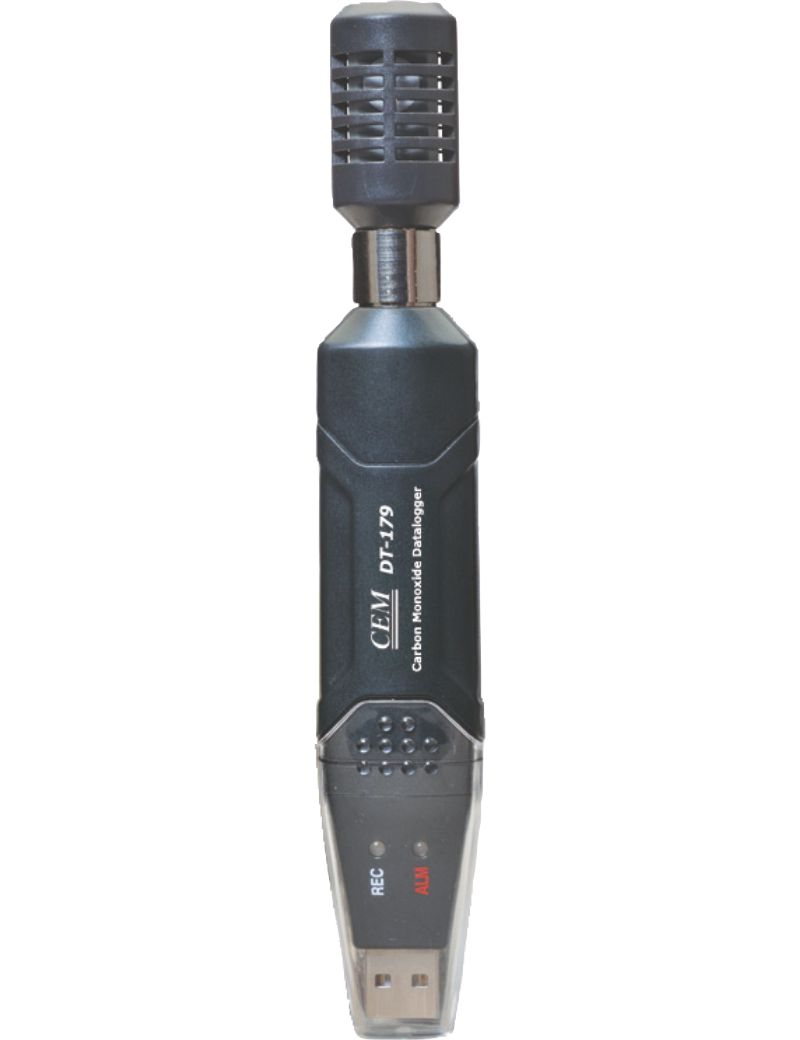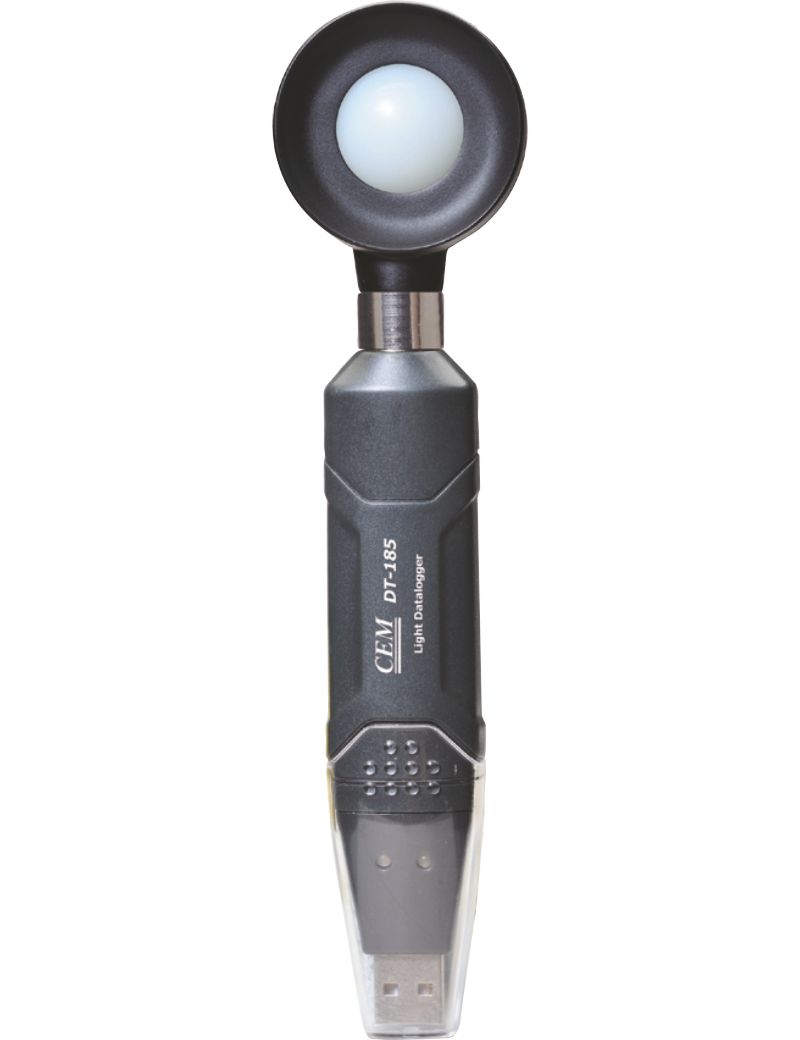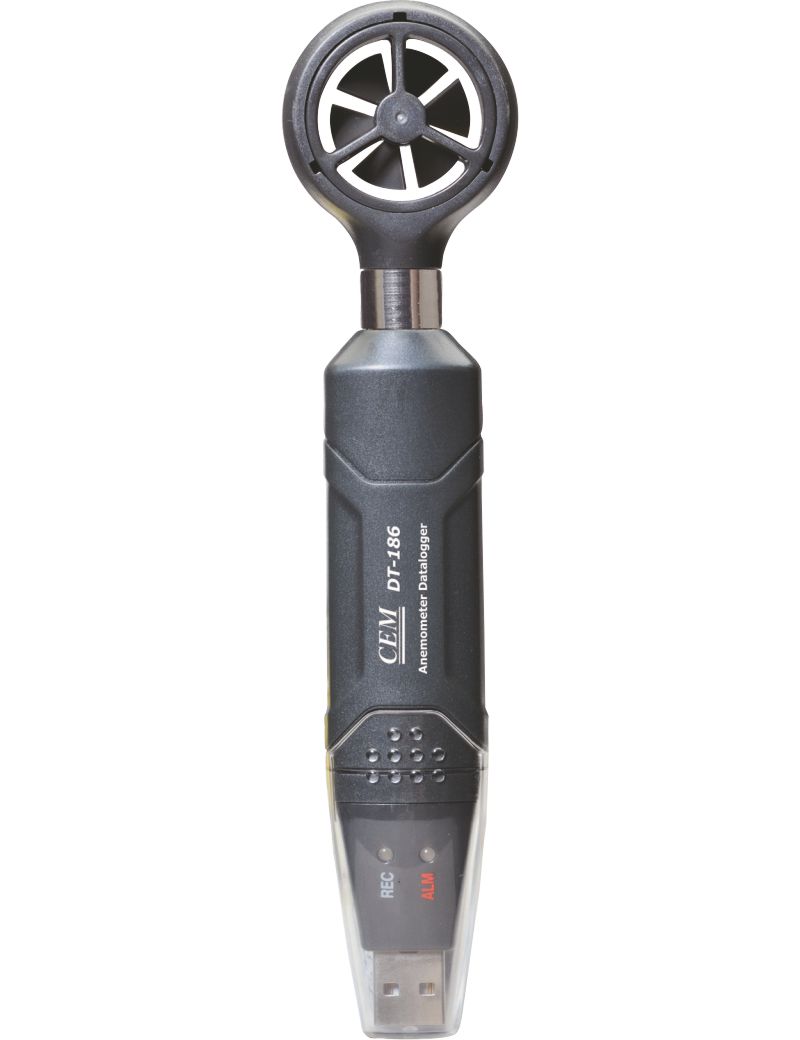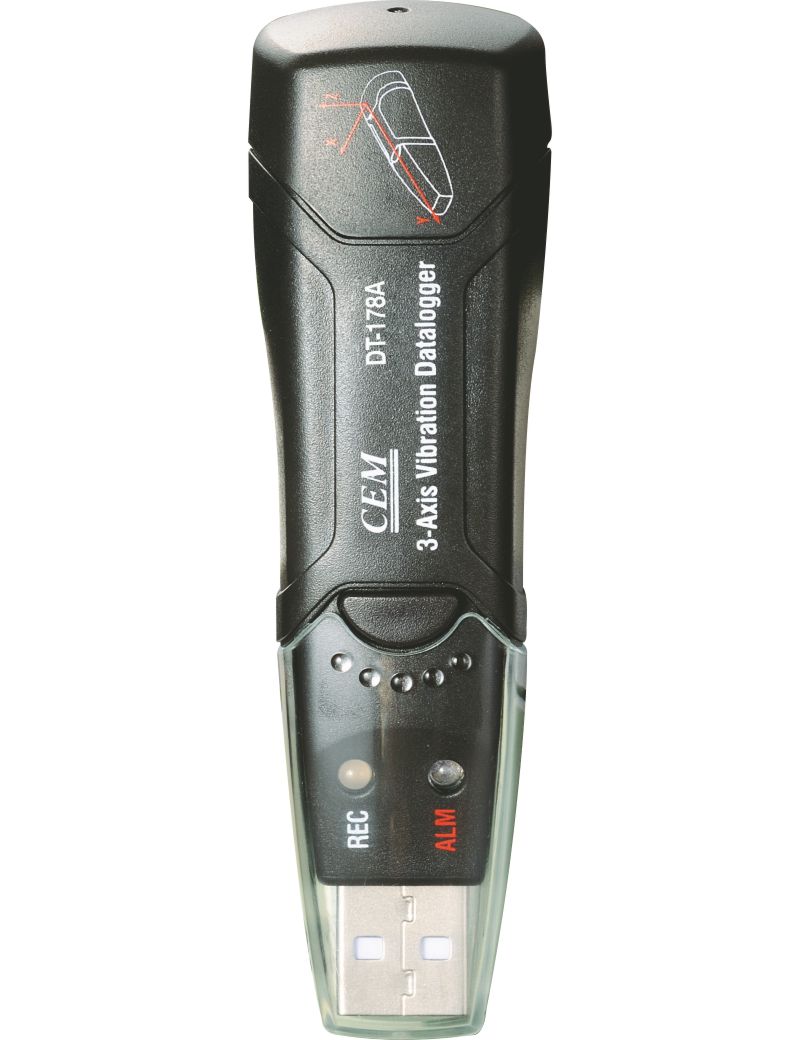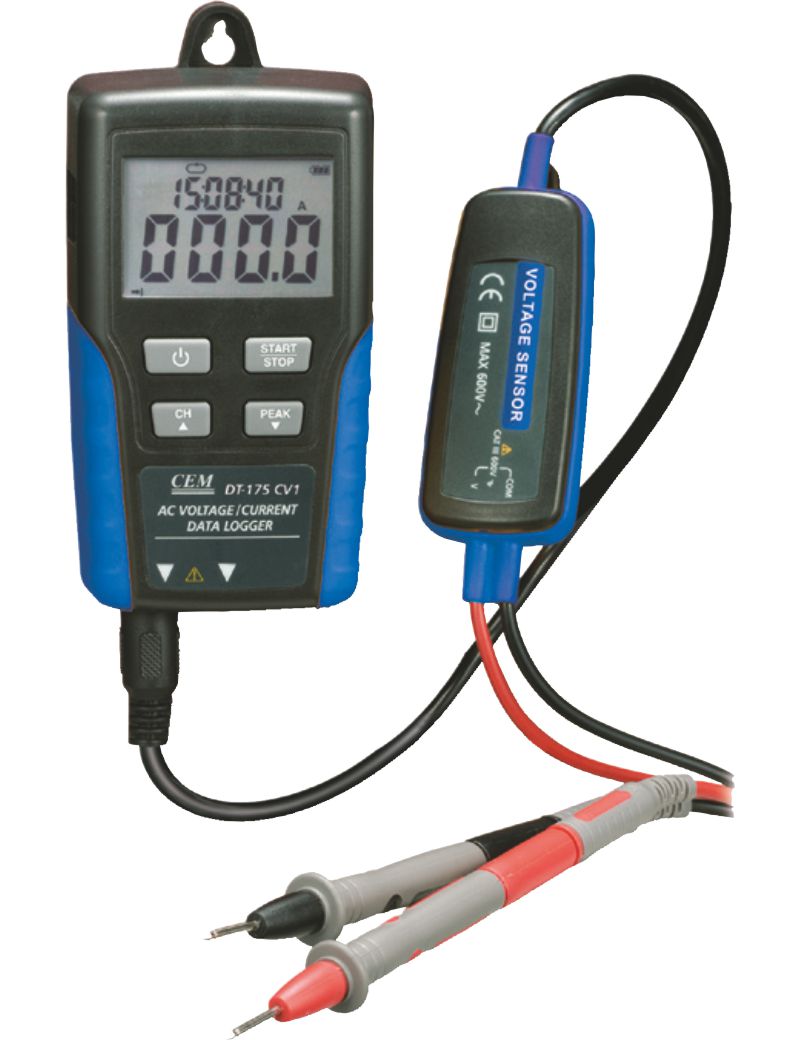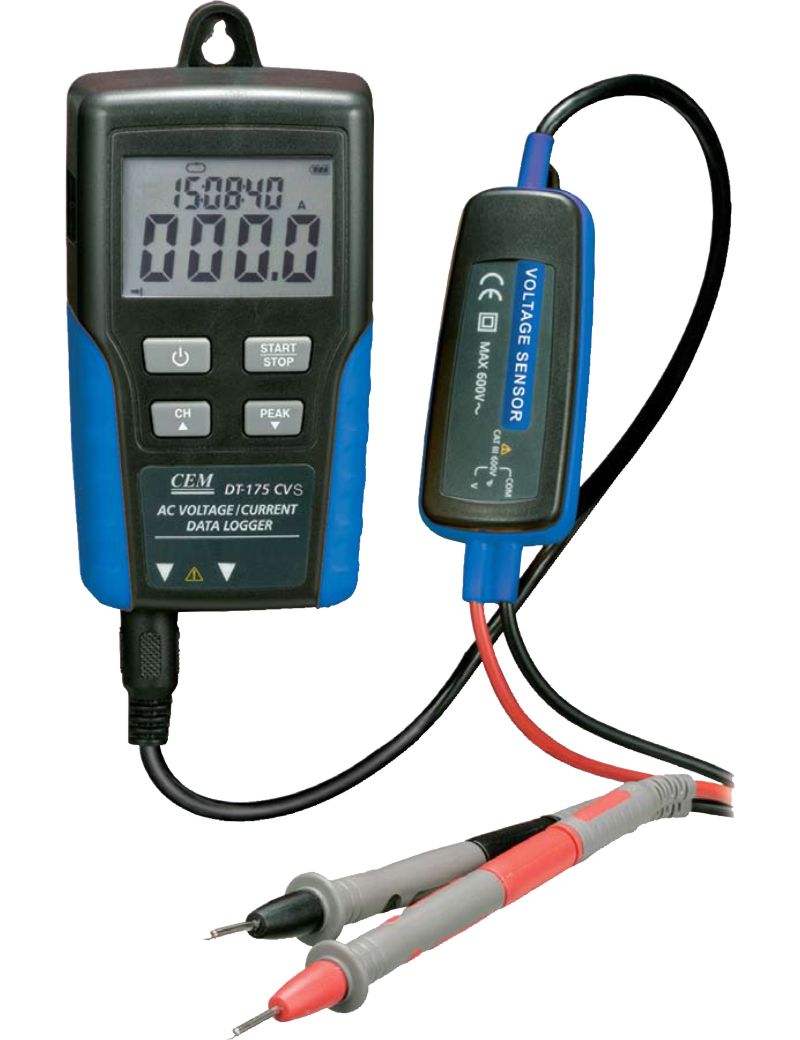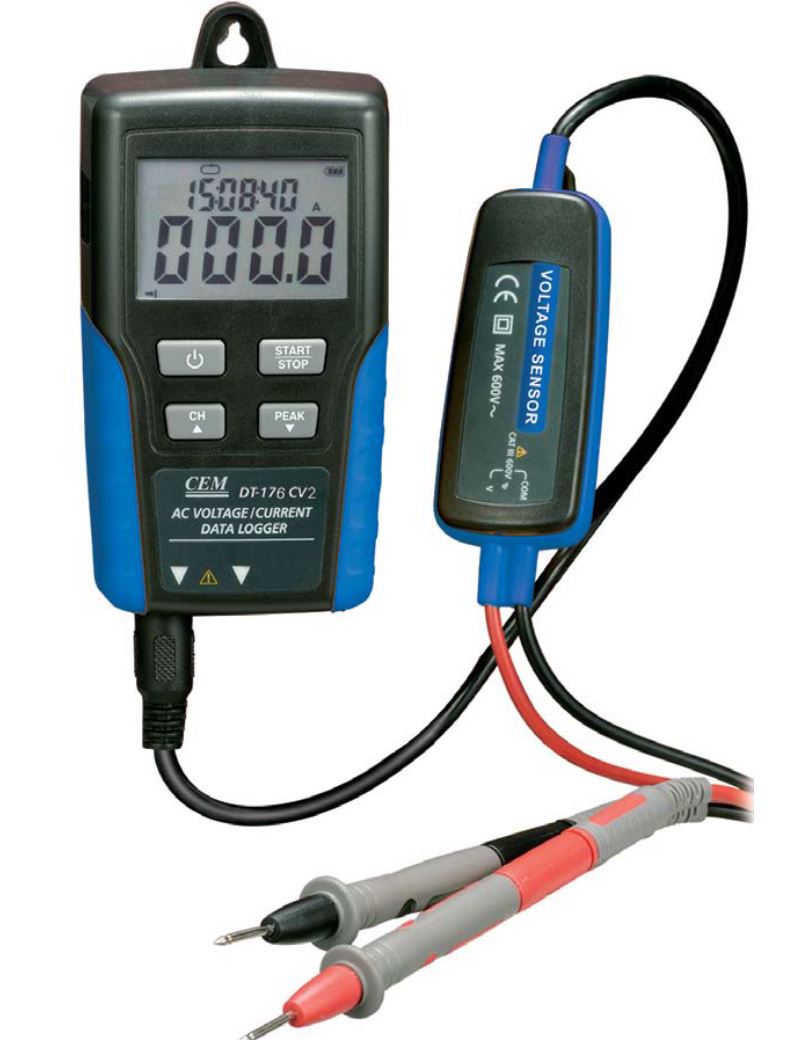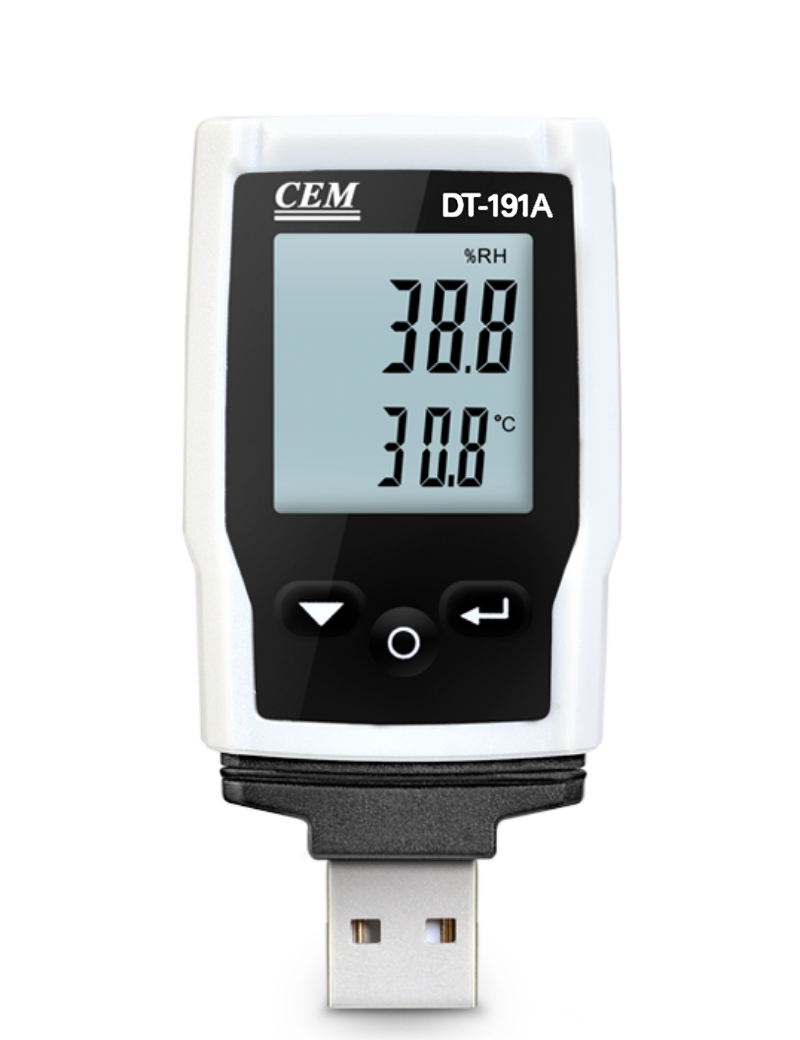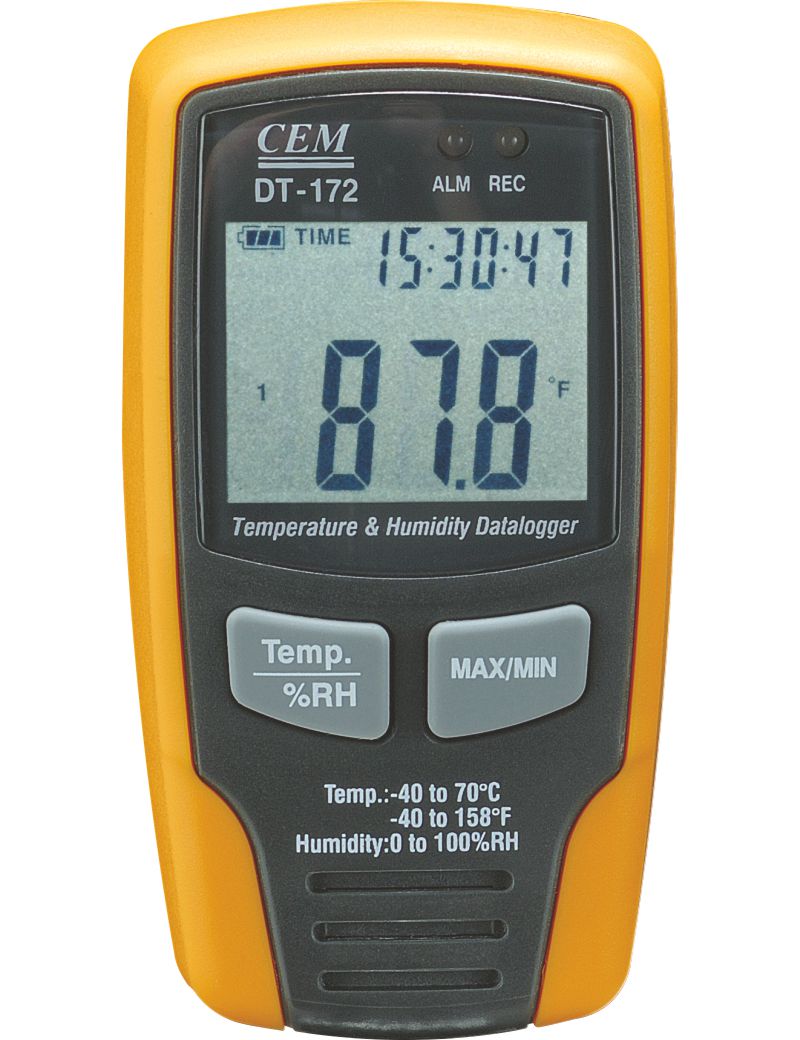
The CEM DT-172 is a smart data logger with internal sensors for both humidity and temperature. All values are shown in the display, that is present, max., min. and time. The logger is perfect for many different applications like office environment or temperature controlled transportation or clean rooms. The loggings are stamped with time and date and the large memory enables logging of 16,000 data sets.
In the software alarms limits can be programmed and the loggings are easily transferred and printed as graph or list.
The CEM DT-172 is delivered ready to use with battery, wall mount, software, USB cable and manual.
In the Köppen climate classification system, the tropical monsoon climate is designated as . It serves as an intermediate stage between the Tropical Rainforest climate (Af) , which sees rain year-round, and the Tropical Savanna climate (Aw) , which has a distinct and prolonged dry season.
For several months of the year, the winds came from the land. They blew from the northeast, carrying no moisture from the ocean. The sky was a deep, cloudless blue. The sun was fierce, and the earth cracked. The trees, desperate to survive, would often drop their leaves. This wasn’t a cold winter; it was a dry winter. Rivers shrank to muddy trickles. People prayed for the winds to change.
The tropical monsoon climate is marked by several distinct characteristics:
Living in a tropical monsoon climate requires high adaptability. Infrastructure must handle extreme runoff to prevent landslides and flooding. Conversely, during the dry season, water management becomes a priority to sustain populations until the rains return.