Recommended
-
 Fanuc 0 Parameters Manual GFZ-61410E/03170 pages
 -
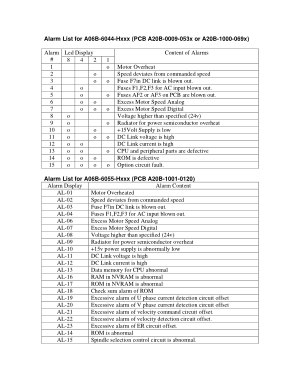 Alarm List for A06B-6044-Hxxx3 pages
 -
 CNC Milling Manual20 pages
 -

-

The Dass-280 is characterized by its distinctive, cylindrical shape, which housed the radar antenna and electronics. The system was likely powered by a combination of diesel generators and high-capacity batteries, providing the necessary energy to operate the radar system for extended periods. The radar antenna itself was a rotating parabolic dish, capable of scanning the horizon in both the horizontal and vertical planes.
In a small, seaside town, there was a legendary bookstore called "Dass-280" that was rumored to hold the secrets of the universe within its shelves. The store was a labyrinthine haven, filled with books of every shape, size, and genre, stacked haphazardly from floor to ceiling. dass-280
In the world of military technology, few systems have managed to capture the imagination of enthusiasts and historians alike quite like the Dass-280. Developed in the Soviet Union during the Cold War era, this enigmatic radar system remains a subject of fascination and intrigue, with many questions still surrounding its origins, capabilities, and eventual fate. In this article, we will delve into the world of the Dass-280, exploring its history, design, and significance, as well as the numerous theories and legends that have emerged around this fascinating topic. In a small, seaside town, there was a
Sophia appeared beside him, her eyes shining with a knowing glint. "That's a place that only exists in the imagination," she said. "But if you follow the map, you might just find what you're looking for." Developed in the Soviet Union during the Cold
One of the most intriguing features of the Dass-280 is its advanced signal processing capabilities, which allowed the system to distinguish between enemy aircraft and other, non-threatening targets. This was achieved through the use of a sophisticated algorithm, which analyzed the returned radar signals to detect and track specific patterns, such as the Doppler shift caused by the movement of an aircraft.