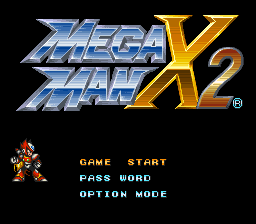

Mega Man X2 - Zero Playable
Original game : Mega Man X2
Platform : SNES
Author : Programer Peru
Release date : 06 March 2020
Category : Improvement
Patch version : 1.0a
Modifications : G
Downloads : 14419
ROM Information
Database match: Mega Man X2 (USA)Hack description
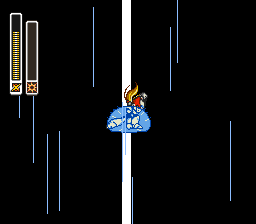
This hack as the Mega Man X - Zero Playable was found in a Youtube video. The greatest feature is that Zero replaced X (using his X3 sprites).Screenshots
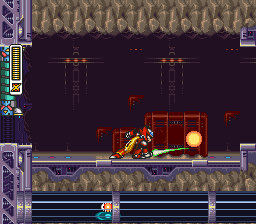
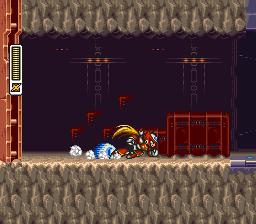
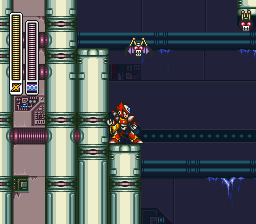
Contributions
| Contributor | Type of contribution | Description |
|---|---|---|
| Programer Peru | Original Hacking | Creator of this hack |
For the advanced user, the restriction to Quick Access can sometimes signal deeper file system corruption. If the system detects errors in the Master File Table (MFT) or if there are permission errors preventing the enumeration of drives, Explorer may defensively default to the only view it can reliably render: the Quick Access cache. In such cases, the solution involves command-line interventions, such as running the System File Checker (SFC /scannow) or DISM commands to repair the Windows image. It may even require checking the Group Policy Editor, specifically the "Start File Explorer with This PC or Quick Access" setting, which can be locked by administrative policies in corporate environments.
The issue of File Explorer only showing Quick Access—often referred to as the "File Explorer trapped in Quick Access" bug—is a common Windows frustration that disrupts the traditional desktop workflow. This essay explores the technical causes behind this behavior and provides a structured guide to restoring the full navigation experience. The Source of the Displacement At its core, this issue is rarely a "broken" program and more often a configuration mismatch or a corrupted cache. Windows 10 and 11 introduced Quick Access as a way to streamline frequent folders, but it can occasionally override the "This PC" view entirely. This typically happens because: Default View Settings: The folder options may be set to launch into Quick Access by default. Navigation Pane Disabling: The left-hand sidebar (Navigation Pane), which houses "This PC" and network drives, may have been toggled off. System File Corruption: Occasionally, the file explorer only showing quick access
Another layer of this issue involves the psychological and operational impact on the user. The "Quick Access only" problem represents a shift from "spatial navigation" to "search-based retrieval." When Explorer defaults to Quick Access, it encourages the user to think of files not by where they are stored, but by when they were last touched. This can lead to poor data hygiene, where files are scattered without logical organization, trusted to the OS to surface them when needed. When this system fails, the user is left helpless. The disappearance of the "This PC" view is a disconnection from the underlying reality of the hardware. It reminds the user that they are interacting with an abstraction layer; when that layer glitches, the physical drives remain, but they become inaccessible ghosts. For the advanced user, the restriction to Quick
That’s it. Close and reopen File Explorer—you should now see your hard drives and network locations immediately. It may even require checking the Group Policy