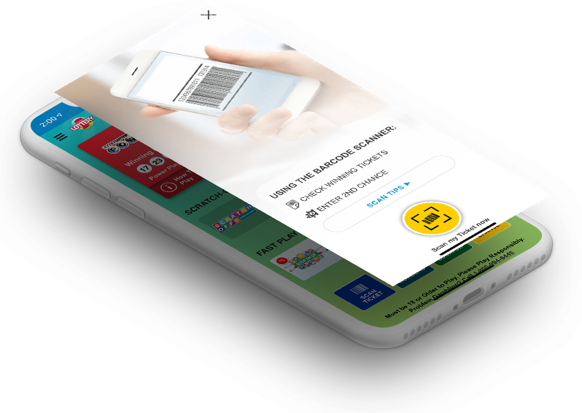
Use the Hoosier Lottery app to scan and check Draw, Scratch-off, and Fast Play game tickets and enter my2ndChance promotions.
In the modern connected home, the router is the silent sentinel—a device often judged solely by its hardware specifications (antenna count, Wi-Fi standard, port speed). Yet, the true soul and operational intelligence of any router lie not in its chipsets, but in its . For the D-Link DIR-853, a dual-band Gigabit router aimed at mid-to-large households, the firmware is the critical bridge between raw hardware potential and real-world user experience. This essay explores the architecture, feature set, security lifecycle, update mechanisms, and performance tuning of the DIR-853 firmware, arguing that its evolution is a microcosm of the broader challenges facing consumer networking today.
D-Link’s response has been inconsistent. While the company issued patches for critical flaws during the router’s active support window (typically 2–3 years from release), many users on legacy firmware remain exposed. The in late 2023 for some hardware revisions, meaning no further security fixes. This forces a difficult choice on owners: continue using vulnerable firmware, disable external access, or flash third-party alternatives (where available, e.g., OpenWrt experimental builds for MediaTek platforms). dir 853 firmware
Resolves bugs related to connection drops, freezing, or slow speeds. In the modern connected home, the router is
The firmware is structured into several critical layers: This essay explores the architecture, feature set, security
These are just some potential features that could be considered for DIR-853 firmware. The actual features implemented would depend on the specific requirements and goals of the project.
 Use the app ticket scanner to check your tickets and enter 2nd Chance promotions in a snap.
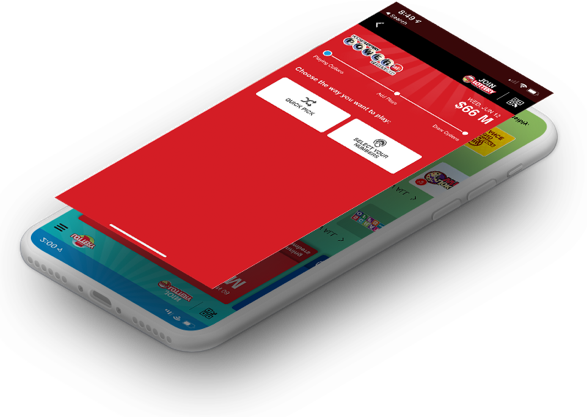
 Save time and paper playslips by building your digital playslip on the Hoosier Lottery App.
Customize push notifications to receive jackpot and winning numbers alerts.
Also, opt-in to get notifications on location-based offers when you are near a participating Hoosier Lottery Retailer.